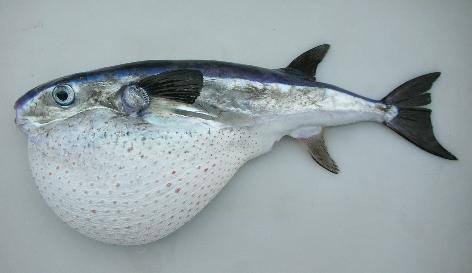
Over the past few years, fishermen across the Mediterranean have increasingly reported unusual fish species that were once rarely seen in northern parts of the region. Among the most concerning newcomers is the silver-cheeked toadfish (Lagocephalus sceleratus), a highly toxic and invasive member of the pufferfish family.
The spread of pufferfish in the Mediterranean is not just an interesting biological phenomenon. It is a serious warning for fishermen, tourists and anyone who catches or prepares fish along the coast. This species contains tetrodotoxin, a powerful neurotoxin that can cause severe poisoning if the fish is eaten.
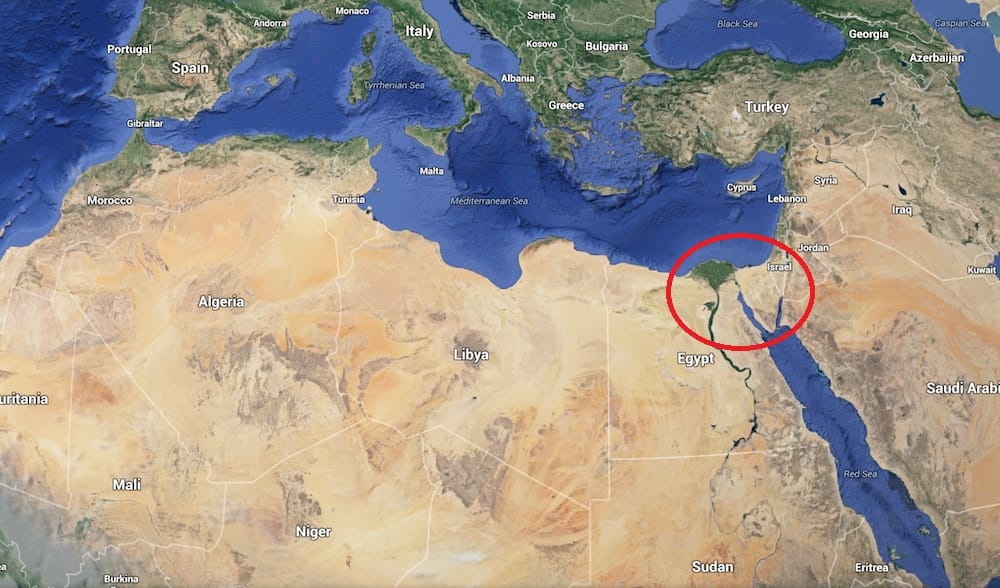
Originally native to the Indo-Pacific region and the Red Sea, the silver-cheeked toadfish entered the Mediterranean through the Suez Canal. Its range has gradually expanded westward and northward, with confirmed records in the Adriatic Sea, including Croatia and Montenegro.
What Are Pufferfish?
Pufferfish belong to the family Tetraodontidae. They are best known for their ability to inflate their bodies when threatened. By swallowing water, they become larger and more difficult for predators to attack.
Some species also have strong, beak-like teeth that can damage fishing lines, hooks and nets. The most concerning species currently spreading through the Mediterranean is the silver-cheeked toadfish.
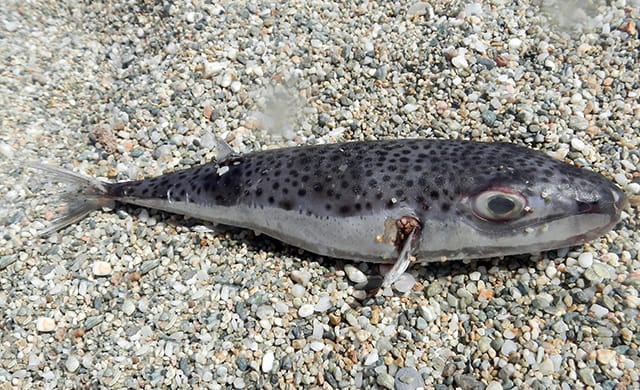
This fish has an elongated body, a pale belly, dark spots across its back and a distinctive silver stripe along its sides. It can inflate its body when disturbed and has a powerful bite.
According to the CIESM Atlas of Exotic Fishes in the Mediterranean Sea, the species commonly reaches 20–60 centimetres, although larger specimens have also been recorded. A FAO technical document notes that exceptionally large individuals may reach up to 110 centimetres and weigh approximately 7 kilograms.
Where Did Pufferfish in the Mediterranean Come From?
The silver-cheeked toadfish naturally inhabits tropical and subtropical waters of the Indo-Pacific region and the Red Sea.
It entered the Mediterranean through the Suez Canal in a process known as Lessepsian migration. This term describes the movement of marine organisms from the Red Sea into the Mediterranean after the opening of the canal.
The first confirmed Mediterranean record of Lagocephalus sceleratus was documented in 2003 in Gökova Bay, Turkey. Since then, the species has expanded rapidly through the eastern Mediterranean and into new areas farther west and north.
The continued spread of pufferfish in the Mediterranean is closely monitored because this invasive species poses a risk to people, fishing activities and marine ecosystems.
Have Pufferfish Reached the Adriatic Sea?
Yes. The presence of pufferfish in the Adriatic Sea has now been scientifically confirmed.
The first documented Adriatic record of the silver-cheeked toadfish was reported along the Croatian coast. The species has also been recorded in Montenegrin waters. A scientific assessment published in 2022 listed Lagocephalus sceleratus among the non-native species found along the Montenegrin coast and classified it as a high-risk invasive fish.
One particularly important case occurred in Medulin Bay, Croatia. A male silver-cheeked toadfish measuring 52.2 centimetres and weighing 1.33 kilograms was caught on 13 May 2024 at a depth of 19.7 metres. The scientific paper describing the capture was published in 2025.
This was the fourth confirmed record of the species in the Adriatic Sea and the northernmost documented occurrence of Lagocephalus sceleratus in both the Adriatic and the Mediterranean Sea.
Why Are Pufferfish Dangerous?
The main danger comes from tetrodotoxin, usually abbreviated as TTX.
Tetrodotoxin is a potent neurotoxin that may be concentrated in the ovaries, liver, intestines and skin of pufferfish. In severe cases, poisoning can lead to paralysis, breathing difficulties, respiratory failure, abnormal heart rhythms and circulatory collapse.
The toxin is especially dangerous because normal food preparation does not make the fish safe. Tetrodotoxin is not destroyed by cooking, freezing, salting, smoking or pickling.
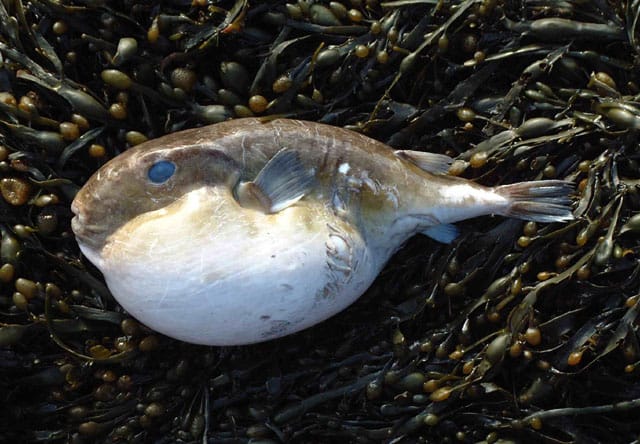
Fatal cases of poisoning linked to the consumption of Lagocephalus sceleratus have been reported in parts of the eastern Mediterranean, including Turkey, Israel, Lebanon and Egypt.
For that reason, pufferfish should never be eaten or sold as food. European Union rules state that fishery products derived from poisonous fish belonging to the family Tetraodontidae must not be placed on the market.
Why Are Pufferfish a Problem for Fishermen?
The spread of pufferfish in the Mediterranean creates practical and economic problems for both professional and recreational fishermen.
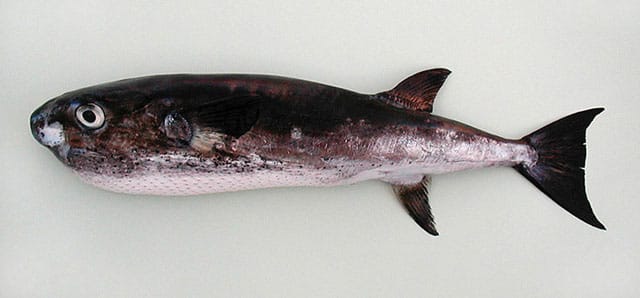
The silver-cheeked toadfish has extremely strong teeth. It can bite through fishing lines, damage hooks and tear fishing nets while attacking fish that have already been caught.
FAO reports that fishermen in several eastern Mediterranean countries have complained about damaged equipment, lost hooks and reduced catches. In some areas, the species has become a major nuisance because it attacks fish caught in nets and lines and increases the amount of time required to repair fishing gear.
The fish should also be handled with caution. Even if it is not being prepared for food, its powerful bite can cause serious injuries.
What Should You Do if You Catch a Pufferfish?
The growing number of records of pufferfish in the Mediterranean means that fishermen should know how to react if they catch an unfamiliar species.
If you catch a fish that appears to be a pufferfish:
- do not eat it;
- do not offer it to another person;
- avoid handling it with bare hands;
- keep your fingers away from its mouth;
- take clear photographs if it is safe to do so;
- report the sighting to a local marine research institute, fisheries authority or fishing organisation.
If someone has eaten a suspected pufferfish or develops symptoms after eating an unfamiliar fish, seek emergency medical assistance immediately. There is no specific antidote for tetrodotoxin poisoning, so rapid medical treatment is essential.
The Mediterranean Sea Is Changing
The spread of pufferfish in the Mediterranean is part of a much larger change taking place across the region.
Other non-native species have also appeared in the Adriatic, including lionfish and blue crabs. Some new arrivals may remain rare, while others could become invasive and affect native species, fishing activities and coastal ecosystems.
For a closer look at another the venomous species, read our guide for: Lionfish or Greater Weever.
You may also find these guides useful:
- Types of Fish in Montenegro – Top 15 Species from Sea and Freshwater
- Fishing in Montenegro – Rules, Licenses & Tips
- Fishing Regulations in Montenegro – Rules, Bans & Legal Requirements
The arrival of toxic invasive species is a reminder that fishermen need to pay attention to changes in the sea. Correct identification, responsible reporting and greater public awareness can reduce risks for both people and marine ecosystems.
Join the Kotor Fisherman Community
Enjoy our fishing guides and stories from the Adriatic?
Subscribe to our newsletter and be the first to receive new fishing tips, safety guides and updates from the Mediterranean coast.