If you’re wondering whether braided fishing line for sea fishing is the right choice and which one to choose, believe me – I was in the exact same dilemma. For years I was a classic monofilament supporter and never even considered changing… until one specific situation pushed me to try something different.
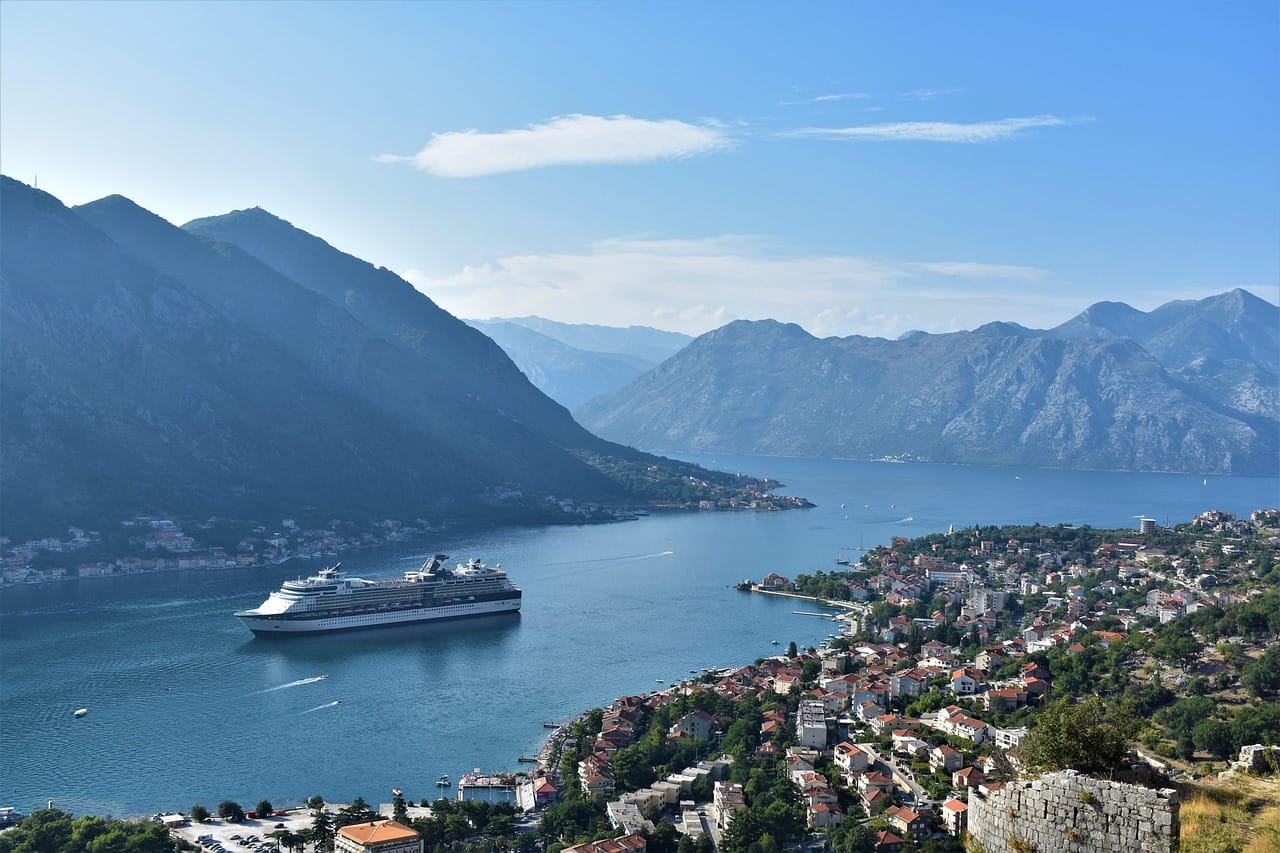
By coincidence, at my new workplace where I started working in June 2025, I also have the opportunity to fish. Yes, it sounds ideal – and honestly, it is 😄
Truth be told, the location itself is not exactly a spectacular fishing spot… but honestly, when you combine work and fishing – does it even matter?
Braided Fishing Line for Sea Fishing – Pros and Cons
Many beginners do not pay attention to this, but braided fishing line for sea fishing directly affects:
- casting distance
- bite sensitivity
- abrasion resistance
- visibility in the water
Because of the specific seabed structure at that location, I lost so many rigs with monofilament that I seriously considered starting to pour my own sinkers.
👉 We explained different fishing line types in more detail in this article: “Fishing Line for Beginners.”
Monofilament or Braid – Which Is Better?
Traditionally, monofilament has its own advantages:
- better abrasion resistance
- less visible in the water
- easier to use
- better elasticity
But in practice – it is not always the best option.
I tried different combinations:
- fluorocarbon leaders with lower breaking strength than the main line
- different thicknesses
- various rigs
And nothing gave me the result I was looking for.
My Experience – Switching to Braid
The turning point came when I decided to switch to braided fishing line for sea fishing.
Around the same time, I also started using a heavier sinker, which together gave me an additional 20–30 meters of casting distance.
And here comes the most important part:
👉 From that moment – I have not lost a single sinker.
The reasons are probably combined:
- the seabed configuration changed
- I hooked the bottom less often, probably because of the reasons above
- but even when I get snagged, and this is what matters most to me – only the leader breaks
Which is, realistically, the ideal situation.
Is There Any Difference in Catch Rate?
Honestly – not a huge one.
The amount of fish I catch is still modest (which has more to do with the location than the gear), but:
👉 there has been absolutely no decrease compared to monofilament.
That basically means I only reduced my losses, which is a win-win situation.
The Downsides of Braided Line (Let’s Be Real)
It is generally known that braided fishing line for sea fishing is less resistant to abrasion than monofilament, especially when it comes into contact with:
- rocks
- shells
- rough seabed
In my case, the setup is classic: leader – swivel – bead – sliding sinker – braid, so it is completely normal for the braid to touch the bottom.
Still, honestly – so far I have not noticed any serious damage. There are no visible signs of wear, which positively surprised me.
Of course, you still need to be careful, especially on demanding terrain, but in my experience this combination has proven to be more than reliable.
If you are unsure about choosing the right sea fishing rod, here are some recommendations: “How to Choose the Best Surfcasting Rod.”
The Braid I Use (And Why)
Now comes the part that might surprise some people.
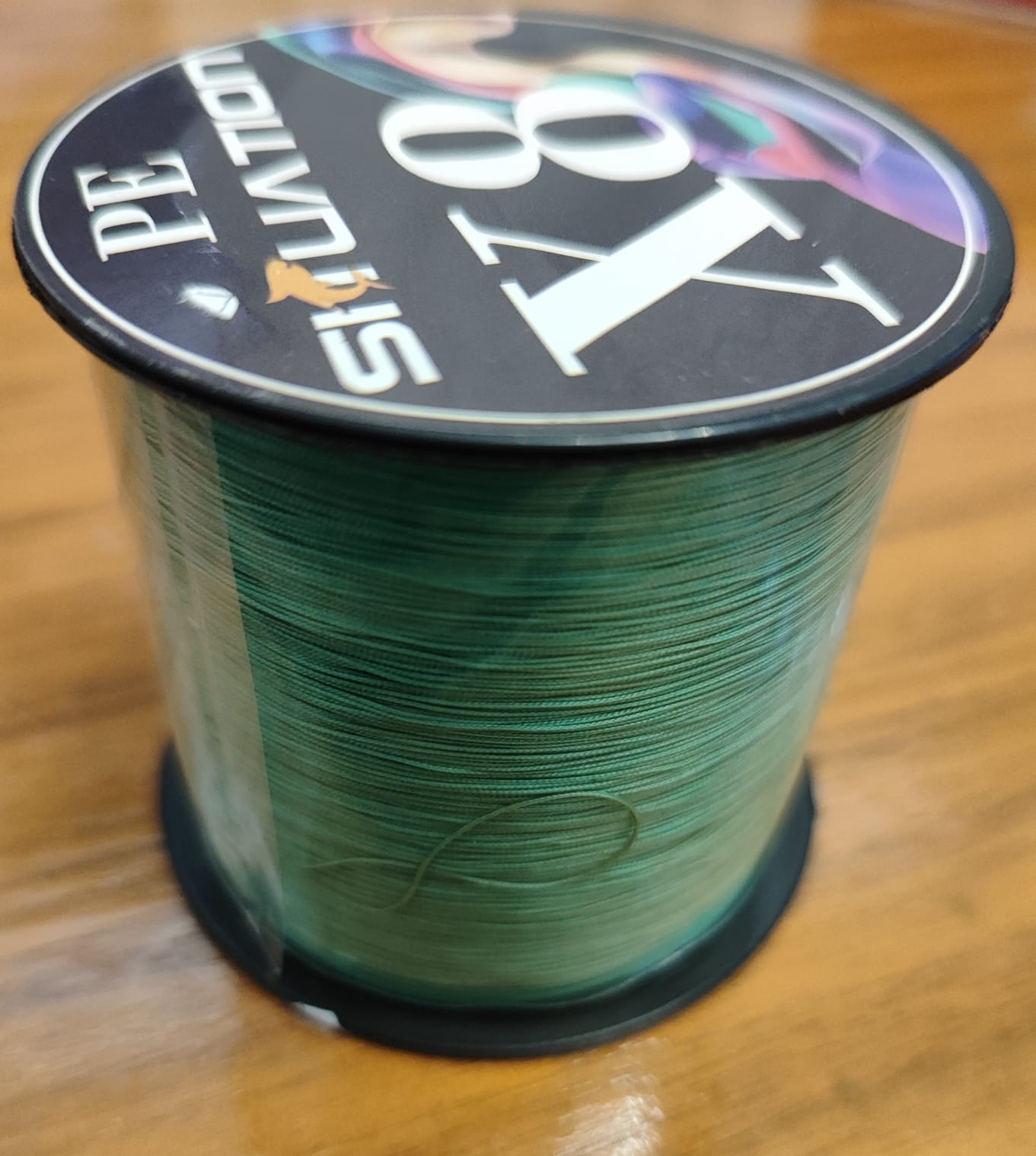
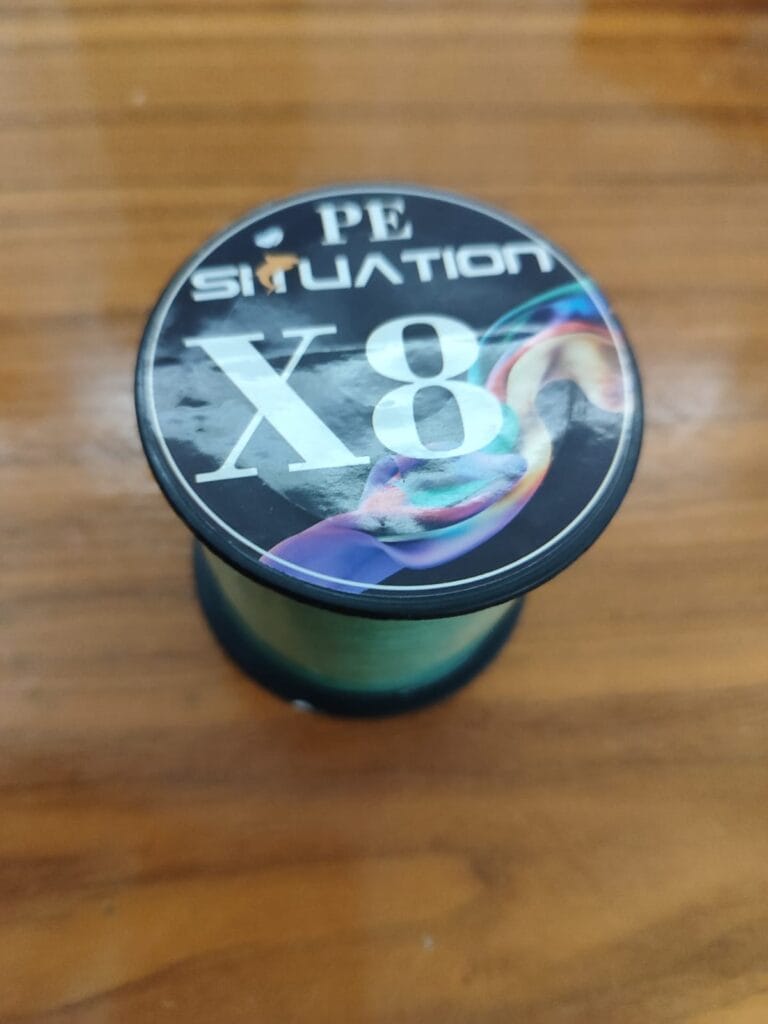
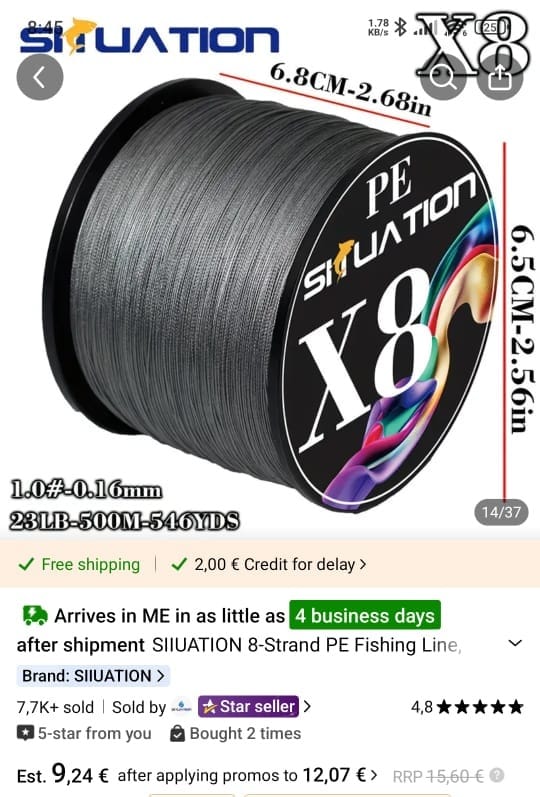
The braid I currently use comes from the Temu platform:
SIIUATION X8-Strand PE – 0.16mm – 10.43kg – 500m
Why this one?
Honestly – the first thing that attracted me was the price because I wanted this experiment to stay affordable.
- the first spool cost me just over €5
- now it is around €11–15
- but if you leave it in the cart for a few days – it often drops below €10
Classic Temu game 😄
Is It Worth It?
Without overthinking it:
👉 the price-to-quality ratio is phenomenal.
I tested it in multiple locations, not only at that “work fishing” spot, and it performed really well:
- good strength
- solid durability
- excellent casting distance
Of course, it is not a premium brand – but for that price, it is hard to find real competition.
Who Is This Braided Fishing Line Good For?
I would recommend it to:
- beginners who do not want to spend too much money
- anyone struggling with constant bottom snags
If you are used to monofilament, you will need a little time to adjust.
Conclusion – Which Fishing Line Should You Choose for Sea Fishing?
If you ask me today what to choose, my answer is simple:
👉 it depends on the conditions, but braid has huge advantages in certain situations.
In my case:
- fewer losses
- better casting distance
- same catch rate
And that was enough to change a habit I had for years.
👉 We also talked about traditional bonito gill nets here: “Tradition and Tips for Successful Bonito and Bullet Tuna Fishing.”
👉 Have a better recommendation or a different experience? Contact me at newsletter@kotorfisherman.com – I would be happy to publish your opinions as well.
📩 Don’t forget to subscribe to the newsletter so you can be the first to receive new articles, fishing tips, and personal sea fishing experiences.