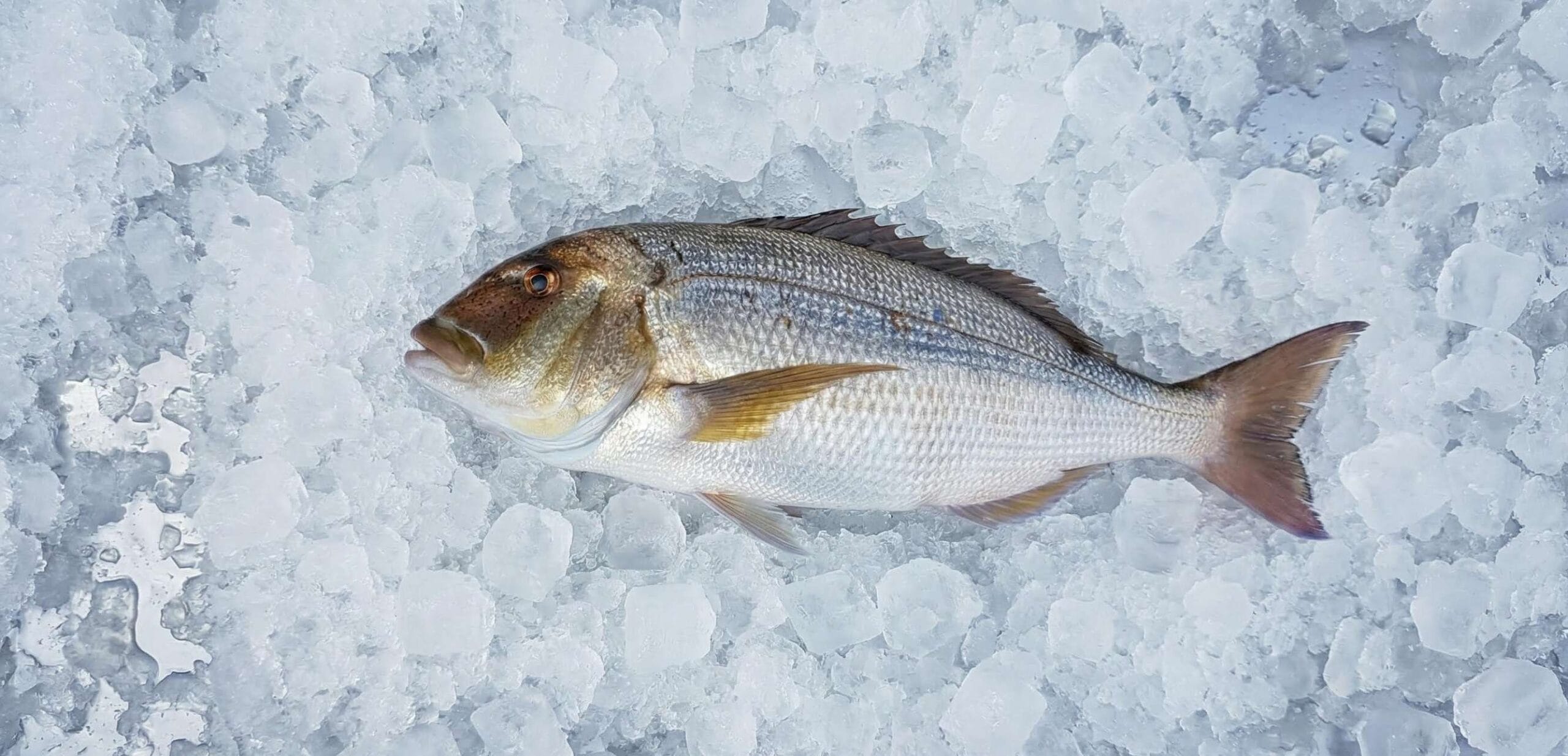
The dentex fish is one of the Mediterranean’s most sought-after marine species. Belonging to the Sparidae family and scientifically known as Dentex dentex, this formidable predator is prized by recreational anglers and gourmets alike. Its delicate white flesh, firm texture and exquisite flavour have earned it nicknames such as “queen of the sea”. In this guide you’ll learn what makes the dentex fish so special. We’ll cover the biology, habitat, taste profile, nutritional benefits and reasons why this species commands premium prices on global markets. By the end you’ll understand why chefs, health enthusiasts and sport fishers all rave about this remarkable species.
What Is Dentex Fish?
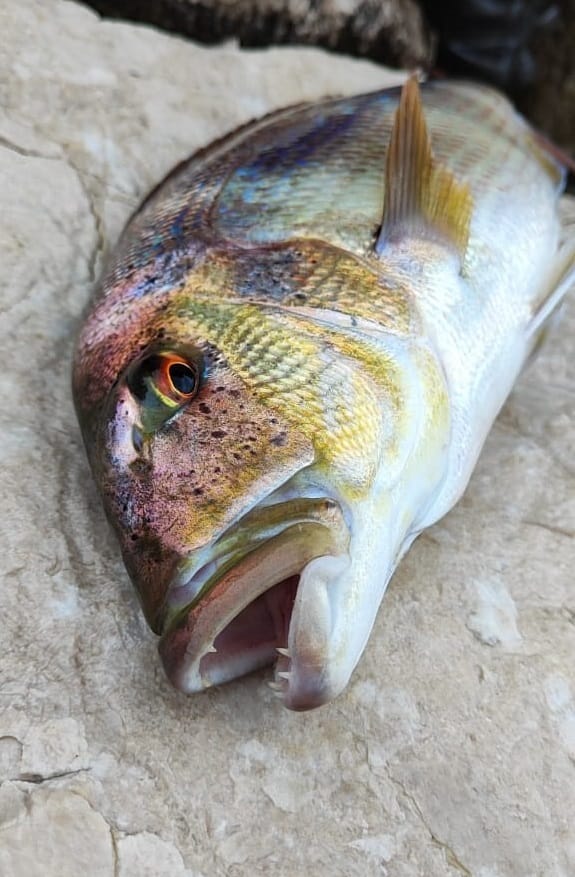
The dentex fish is a ray-finned marine fish in the porgy family Sparidae. Its scientific name Dentex dentex reflects its most striking feature: rows of sharp canine-like teeth. Juveniles are grey with black spots, but as they mature their colour changes to pink and older fish become bluish-grey. The species has an oval, slightly compressed body with 11 stiff dorsal spines and 11–12 soft rays. Adults typically measure 50–100 cm long and can weigh up to 14.3 kg.
What makes the dentex fish formidable is its robust head and powerful jaws, which house those distinctive teeth. This anatomy allows it to crush the shells of crustaceans and seize slippery prey. Its ventral side shows a mix of pink, silver and white, and the tail fin often has a pink hue with a black rim.
Distribution & Habitat
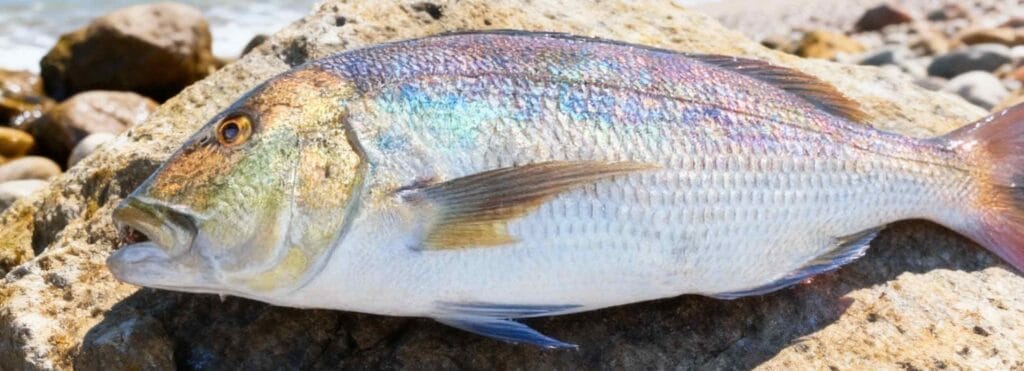
Dentex fish inhabit warm waters of the northeastern Atlantic and Mediterranean Sea. They range from the Bay of Biscay down to Mauritania, including the Canary Islands and Madeira. Eastwards they are found throughout the Mediterranean and into the western Black Sea. A few stray northwards towards the British Isles, but the species prefers temperate to subtropical climates.
This fish is benthopelagic, meaning it roams both near the seabed and in the water column. It usually dwells at depths between 15–50 m, over rocky substrates, but can occur as deep as 200 m. Young individuals sometimes venture into shallower waters near reefs and rocky coastlines, whereas mature specimens prefer deeper reefs and offshore banks. Dentex fish are most commonly seen between 15 and 50 m deep and stay near the bottom in rocky areas. Aegean and Adriatic populations thrive in clear waters, which helps explain why divers often spot them around islands like Sardinia and Sicily. Because of their habitat preferences, dentex fish are often targeted by spearfishers and anglers using bottom-fishing techniques.
Biology, Diet & Behaviour
The dentex fish is an active predator. It feeds primarily on other fishes, molluscs and cephalopods. Its strong canine teeth allow it to grasp slippery prey and crush shells. Dentex are generally solitary and diurnal (active during daylight). They exhibit territorial behaviour when feeding but do not form long-term social groups.
Reproduction occurs in spring when water temperatures rise. Adults leave their solitary life and gather in groups near the surface for just two to three weeks. Both males and females reach sexual maturity at two to four years, and some populations show occasional hermaphroditism. Juveniles often school together, while adults return to their solitary habits after spawning. Such behaviour makes the species vulnerable to fishing during spawning aggregations. Dentex fish can live for more than 20 years, and their slow growth contributes to their high market value and conservation concerns.
Taste Profile & Culinary Uses
One reason the dentex fish commands premium prices is its exceptional flavour. The flesh is delicate, white and flaky with a firm, meaty texture. It is often regarded as one of the finest-tasting Mediterranean fish, appreciated for its clean aroma and refined flavour.
The flesh is pinkish-white and becomes juicy when cooked. Because of its texture, it lends itself to various cooking methods, including grilling, baking, pan-frying and traditional Mediterranean preparations such as stews and oven-baked dishes. In Croatia and Greece, the fish is often marketed as a premium seafood product and sold whole or in fillets. The fish’s taste is sometimes compared to that of red snapper or sea bream, yet many chefs argue that the dentex fish’s flavour is more refined and slightly sweeter. For gastronomes seeking a sustainable yet luxurious alternative to overexploited species, dentex fish is a compelling choice.
Nutritional & Health Benefits of Dentex Fish
Beyond its culinary appeal, dentex fish boasts impressive nutritional credentials. It is rich in omega-3 fatty acids, phosphorus and proteins and is a natural source of vitamins D and E. These nutrients support heart health, brain function and immune resilience.
Dentex is also rich in selenium, an essential mineral with antioxidant properties, and contains high-quality protein with low levels of saturated fat. It is often described as heart-friendly, capable of supporting healthy blood pressure and overall cardiovascular function. The fish is also praised for strengthening bones and improving skin and hair health. Compared with more commonly available species, dentex offers a higher concentration of omega-3 fatty acids. For health-conscious consumers, incorporating dentex fish into a balanced diet provides a flavourful way to consume beneficial fats and vitamins without excessive calories.
👉 Healthy Fish – Nutrition, Benefits & What to Eat
Importance, Market Value & Conservation
The dentex fish is not only cherished by diners but also highly valued by commercial and recreational fisheries. It is considered a vulnerable species due to declining populations and high fishing pressure. This status reflects its slow growth and long life span, traits that make it susceptible to overexploitation. Landings of common dentex increased significantly in the late 20th century and later declined as stocks were depleted.
Today, dentex are caught using bottom trawls, lines, traps and occasionally trammel nets. Sport anglers prize dentex fish for their strength and fighting spirit, making them a top target in the Adriatic and Aegean seas. Because of the species’ vulnerability, several countries have introduced marine protected areas where fishing is restricted; populations are higher within these zones. Aquaculture ventures, particularly in Croatia, Greece and Spain, are attempting to produce dentex fish sustainably. Responsible consumers should seek dentex fish from certified farms or fisheries to support conservation efforts.
Fishing & Handling Tips
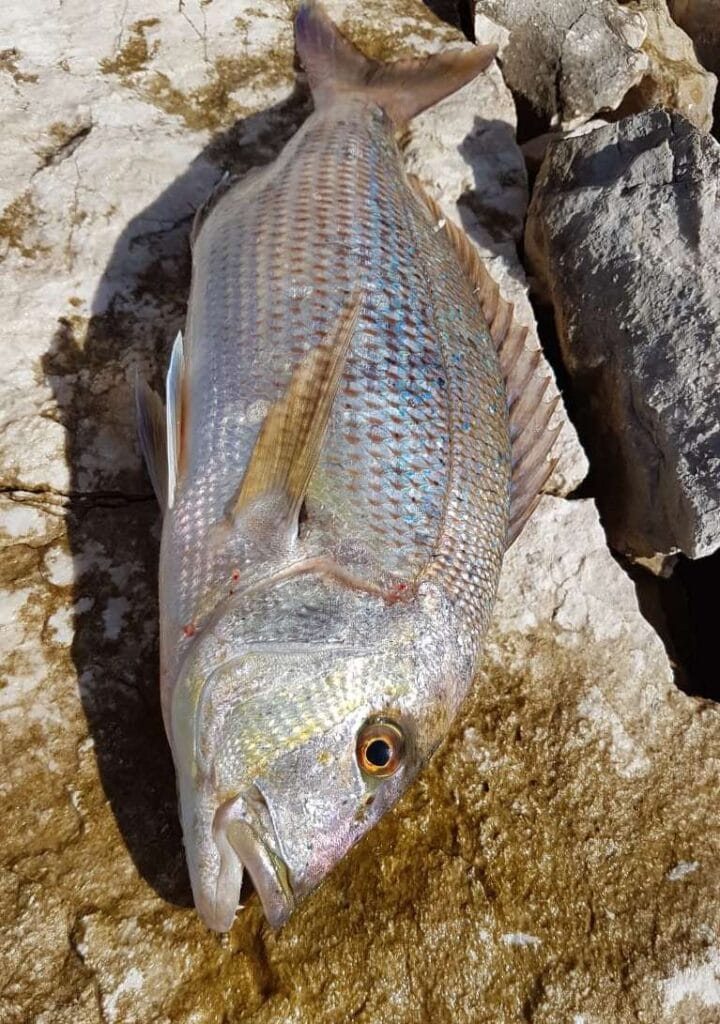
Although this article is mainly informational, anglers often ask how to catch dentex fish. The species favours rocky reefs and drop-offs, so bottom-fishing with natural baits (such as squid or small fish) during dawn or dusk yields the best results. Due to their strong jaws, dentex can cut through weak lines; using fluorocarbon leaders and robust hooks is advisable.
After landing a dentex fish, handle it with care: bleed it promptly and keep it on ice to preserve its delicate flesh. If you intend to cook your catch, scale and gut the fish soon after landing. Grilling whole dentex over charcoal or baking it with herbs and olive oil are classic preparations that highlight its natural flavour.
👉 Dentex Fishing – Season and Best Techniques
Dentex vs Sea Bream & Other Fish
Dentex is sometimes confused with sea breams, which are also members of the Sparidae family. However, dentex fish have larger canine teeth and a more predatory head shape. Sea bream flesh is mild and buttery, whereas dentex meat is firmer and more flavourful. In terms of nutrition, dentex contains higher concentrations of omega-3 fatty acids. The species is also more elusive; while sea bream are commonly farmed and inexpensive, dentex remains relatively rare and commands higher prices.
👉 Best Surf Fishing Rod – How to Choose the Right Surfcasting Rod for Beach Fishing
Frequently Asked Questions (FAQ)
What does dentex fish taste like?
Dentex fish has a delicate, white and flaky flesh with a firm, meaty texture and a mild yet rich flavour. Its taste is often described as sweeter than sea bream and comparable to red snapper.
Where is dentex fish found?
Dentex fish inhabit northeastern Atlantic and Mediterranean waters. They prefer rocky reefs at depths of 15–50 m.
Is dentex fish healthy to eat?
Yes. It is rich in omega-3 fatty acids, proteins, phosphorus and vitamins D and E. It also provides selenium and contains low levels of saturated fat, making it a heart-friendly, nutrient-dense food.
How should I cook dentex fish?
Its firm flesh holds up well to grilling, baking, pan-frying and steaming. Popular Mediterranean recipes include grilled dentex with olive oil and lemon or baked dentex with herbs. The fish can also be used in stews and tagines.
Is dentex fish sustainable?
Wild populations are considered vulnerable due to overfishing. However, responsible aquaculture in parts of the Mediterranean now produces dentex fish year-round. Look for farmed dentex certified by reputable sustainability labels.
Explore the rest of our sea fishing guides and join the Kotor Fisherman community for more in-depth advice and real-world fishing experience. 🎣