Starting fishing for the first time can feel confusing. You see dozens of rods with different lengths, powers, actions, and materials, and every angler seems to recommend something different. If you’re new to fishing, this is completely normal.
This guide is written specifically for people who are just starting out. If you’re searching for how to choose fishing rod for beginners, this article will walk you through everything step by step, in simple language, without technical overload.
By the end of this guide, you’ll understand what makes a good beginner fishing rod, what to avoid, and how to choose a setup that helps you learn instead of frustrating you.
Why beginners need a different fishing rod than experienced anglers
Experienced anglers often own several rods, each designed for a specific technique or species. Beginners don’t need that. In fact, starting with specialized or advanced gear often causes more problems than benefits.
A beginner fishing rod should:
- Be easy to cast
- Be forgiving when mistakes happen
- Cover multiple fishing situations
- Feel comfortable during long sessions
That’s why understanding how to choose fishing rod for beginners is so important. The right rod makes learning enjoyable. The wrong rod can make fishing feel like work.
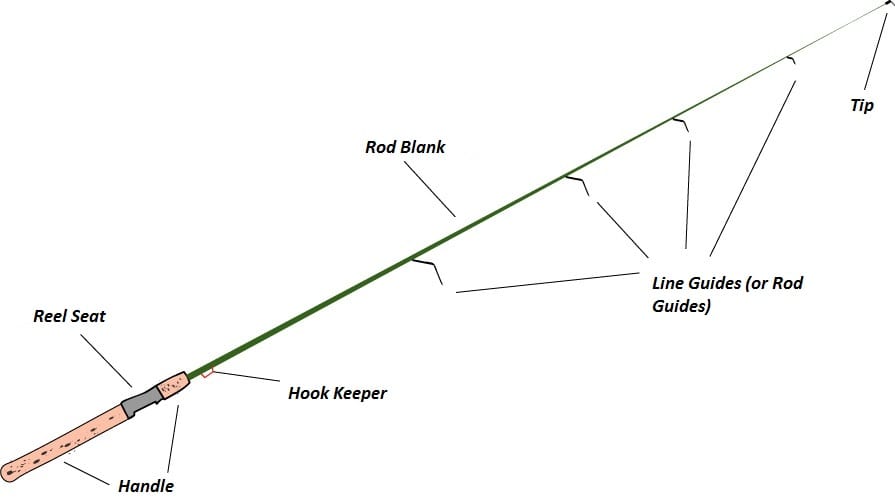
Fishing rod basics explained simply
Before choosing a rod, it’s important to understand three basic characteristics: length, action, and power. These terms sound technical, but they are easy to understand once explained.
Rod length – control vs distance
Rod length affects how far you can cast and how much control you have over your lure and fish.
- Shorter rods give better accuracy and control
- Longer rods allow longer casts
For most beginners, the ideal length is 6–7 feet (1.8–2.1 m). This length is long enough for decent casting distance but short enough to feel comfortable and manageable.
Very long rods can feel awkward, while very short rods limit your casting range. That’s why the 1.8–2.1 m range is considered the safest beginner choice.
Rod action – how the rod bends
Action describes where the rod bends when pressure is applied.
- Fast action: bends mostly near the tip
- Medium action: bends through the upper half
- Slow action: bends along most of the rod
For beginners, medium or medium-fast action rods are ideal. They are forgiving, easier to cast, and reduce the chance of pulling hooks out of the fish’s mouth.
Fast action rods are very sensitive but less forgiving. Slow action rods require more space to cast and are less versatile.
Rod power – how strong the rod is
Power refers to how much weight the rod can handle.
Common power ratings:
- Light
- Medium
- Medium Heavy
- Heavy
For beginners, medium power is the best option. It allows you to use a wide range of lures and target many fish species without feeling underpowered or overwhelmed.
Ultra-light rods are fun but less versatile. Heavy rods are tiring and unnecessary for learning.
Types of fishing rods – what beginners should choose
When learning how to choose fishing rod for beginners, rod type matters just as much as length or power.
Spinning rods – the best beginner choice
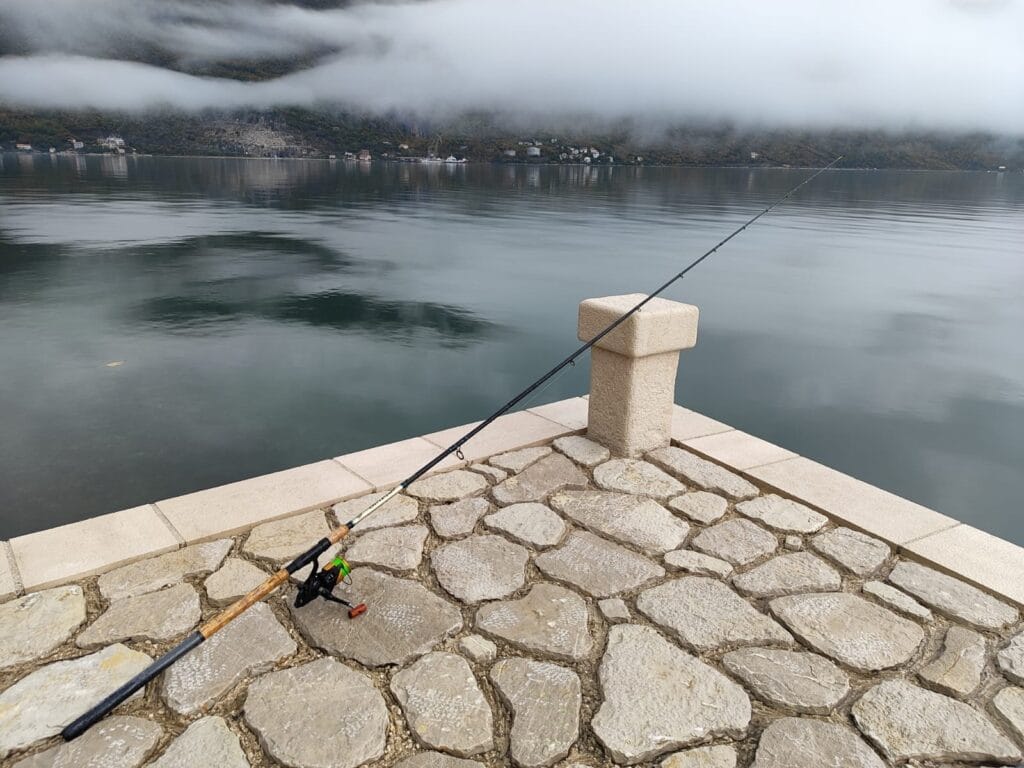
Spinning rods are by far the most beginner-friendly option.
They are:
- Easy to cast
- Less prone to tangles
- Suitable for light and medium lures
- Comfortable for long sessions
Most beginners learn faster and enjoy fishing more with spinning rods. This is why almost every beginner setup starts with a spinning rod and spinning reel.
Telescopic rods – convenient but limited
Telescopic rods collapse into several sections, making them easy to transport.
Pros:
- Compact
- Easy to store
- Good for travel
Cons:
- Less sensitive
- Slightly weaker
- Shorter lifespan
For beginners who fish occasionally or travel often, telescopic rods are acceptable. However, a two-piece spinning rod usually performs better and lasts longer.
Casting (baitcasting) rods – better later
Casting rods are designed for baitcasting reels and offer excellent control and power. However, they require practice and technique.
For beginners:
- Line tangles are common
- Casting is less intuitive
- Mistakes are frustrating
If you’re just starting, avoid casting rods. You can always switch later once you’re confident with spinning gear.
How to choose fishing rod for beginners based on location
Where you fish plays a big role in choosing the right rod.
Shore fishing (sea, lakes, reservoirs)
Shore fishing usually requires longer casts to reach deeper water.
Recommended beginner setup:
- Rod length: 6.6–7.6 ft (2.0–2.3 m)
- Power: Medium
- Action: Medium-fast
This setup offers good casting distance without sacrificing control.
Boat or kayak fishing
Fishing from a boat means limited space and more vertical fighting.
Recommended setup:
- Rod length: 6–7 ft (1.8–2.1 m)
- Power: Medium or medium-heavy
Shorter rods are easier to manage and reduce fatigue.
River and stream fishing
Rivers require accuracy and control, often around obstacles.
Recommended setup:
- Rod length: 5.6–6.6 ft (1.7–2.0 m)
- Power: Medium-light to medium
This allows precise casting without constantly snagging.
Fishing rod materials – what beginners should know
Rod material affects weight, sensitivity, durability, and price.
Fiberglass rods
Fiberglass rods are durable and forgiving.
Best for:
- Absolute beginners
- Rough conditions
- Budget setups
Downside: heavier and less sensitive.
Graphite (carbon fiber) rods
Graphite rods are lightweight and sensitive.
Best for:
- Feeling subtle bites
- Long fishing sessions
Downside: more fragile and usually more expensive.
Composite rods
Composite rods combine fiberglass and graphite.
Best for:
- Beginners who want balance
- All-around fishing
For many beginners, composite rods offer the best mix of durability and performance.
Casting weight and lure range explained
Every rod has a recommended casting weight range printed on it. This tells you how heavy your lures or sinkers should be.
Beginner-friendly ranges:
- 10–30 g: light fishing, smaller fish
- 15–40 g: excellent all-around beginner range
- 20–60 g: larger lures and stronger fish
Using lures outside the recommended range reduces performance and can damage the rod.
Matching the rod with the right reel
A fishing rod works best when paired with the correct reel.
For beginners:
- Spinning reel size 2000–3000: light to medium setups
- Spinning reel size 4000: medium-heavy setups
A balanced rod and reel combination improves casting distance, reduces fatigue, and makes fishing more enjoyable.
If you want a deeper explanation of reel sizes, drag systems, and how to properly match a reel to your fishing style, check out our complete guide on how to choose a fishing reel for beginners.
Choosing fishing line as a beginner
Monofilament line – best for beginners
Monofilament is the easiest line to use.
Advantages:
- Easy handling
- Shock absorption
- Affordable
Recommended thickness:
- 0.20–0.30 mm
Braided line – optional later
Braided line is stronger and more sensitive but less forgiving.
Many beginners start with monofilament and switch to braid later once they gain confidence.
If you want to learn more about different fishing line options, including braided and fluorocarbon lines, and understand when to use each one, check out our detailed guide on fishing line types explained.
Common beginner mistakes to avoid
When learning how to choose fishing rod for beginners, avoid these mistakes:
- Buying a rod that’s too heavy
- Choosing specialized rods too early
- Overspending on the first setup
- Ignoring rod action and power
Simple, versatile gear helps you learn faster.
Simple beginner fishing rod checklist
If you want a safe, proven choice, look for:
- Spinning rod
- Length: 6–7 ft (1.8–2.1 m)
- Power: Medium
- Action: Medium or medium-fast
- Composite or graphite blank
This setup works in most fishing situations worldwide.
Related: Proper maintenance helps fishing rods, reels, and lines perform better and last longer. We’ve covered simple beginner-friendly maintenance tips in Fishing Gear Maintenance & Service – 5 Tasks You Can Do Yourself.
Final thoughts: how to choose fishing rod for beginners
Learning how to choose fishing rod for beginners doesn’t require expert knowledge or expensive gear. It requires understanding the basics and choosing equipment that helps you learn instead of fighting you.
Start simple. Focus on comfort and versatility. As your skills improve, your preferences will naturally develop.
Fishing should be relaxing and enjoyable. The right beginner fishing rod makes sure your first experiences on the water are positive — and that’s what keeps people coming back.
Join the Kotor Fisherman Community 🎣
If you love fishing and want to be the first to get new articles about techniques, fish species, and the best locations in the Adriatic, subscribe to our free newsletter.
👉 It’s free, and every week you’ll receive valuable tips and stories directly in your inbox.