Cephalopods of the Adriatic Sea represent some of the most fascinating marine species found in these waters. In this guide, you’ll learn what makes them unique, how to recognize and catch squid, cuttlefish, and octopus. You’ll also discover the best fishing seasons and techniques, along with tips on gear, lures, and natural baits.
What are the Cephalopods of the Adriatic Sea?
The Cephalopods of the Adriatic Sea are molluscs whose body is merged with their head and arms. Unlike fish, they do not have an external skeleton, but they do use various “internal bones”: the squid has a transparent gladius-plate, the cuttlefish has its distinctive cuttlebone, and the octopus has no internal skeleton at all. All of them possess the power to change colour and skin texture in order to camouflage, communicate or confuse prey. The Adriatic Sea contains dozens of cephalopod species, but for sport anglers three are of greatest interest: squid (Loligo vulgaris), cuttlefish (Sepia officinalis) and octopus (Octopus vulgaris).
Squid – The Queen of Autumn and Winter
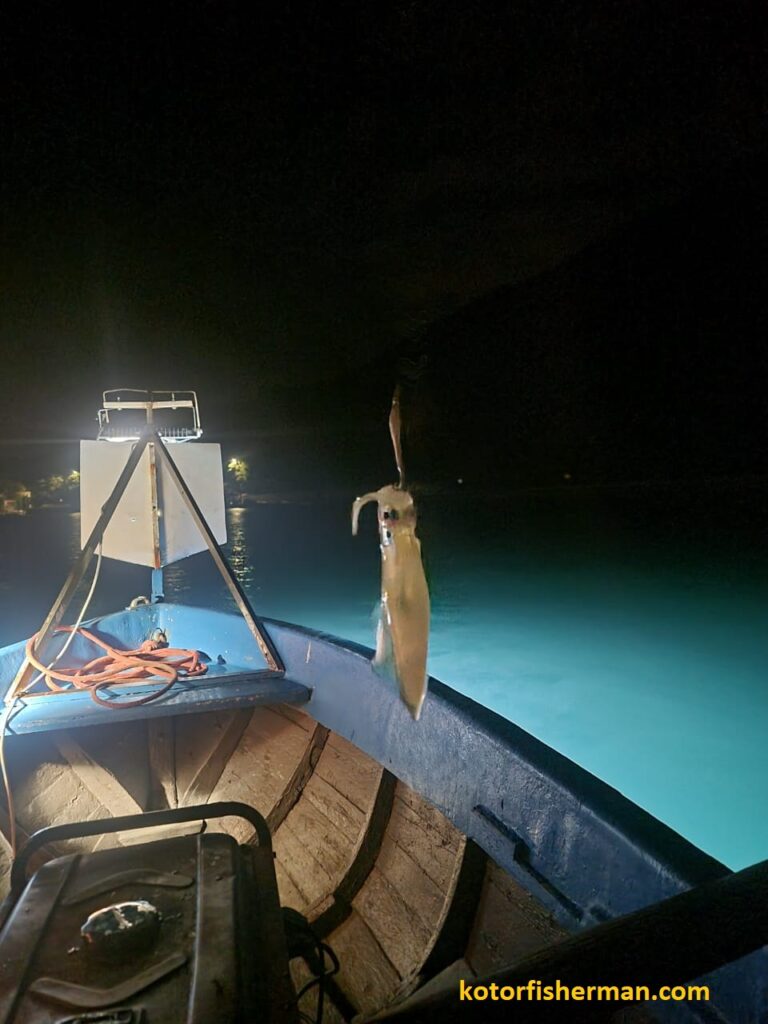
Squid are recognisable by their elongated, cylindrical body and a pair of triangular fins that cover about half its length. They have ten arms – eight short ones and two longer hunting tentacles with suckers at the tips. Their skin is transparent-grey or reddish-brown, and under stress or while hunting they change colour. Their internal “skeleton” is the gladius – a transparent plate that helps them retain shape.
Habitat & season: Squid live in open sea most of the year, but in colder months (from late October to February) they migrate toward the coast to spawn and follow small fish. In autumn they dominate night fishing – you will often find them under port lights in harbours, around rocky capes and over sandy bottoms.
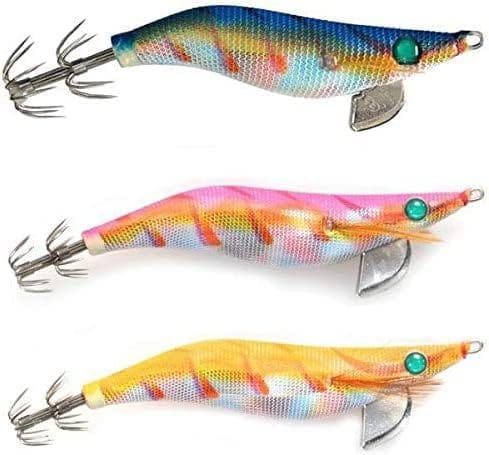
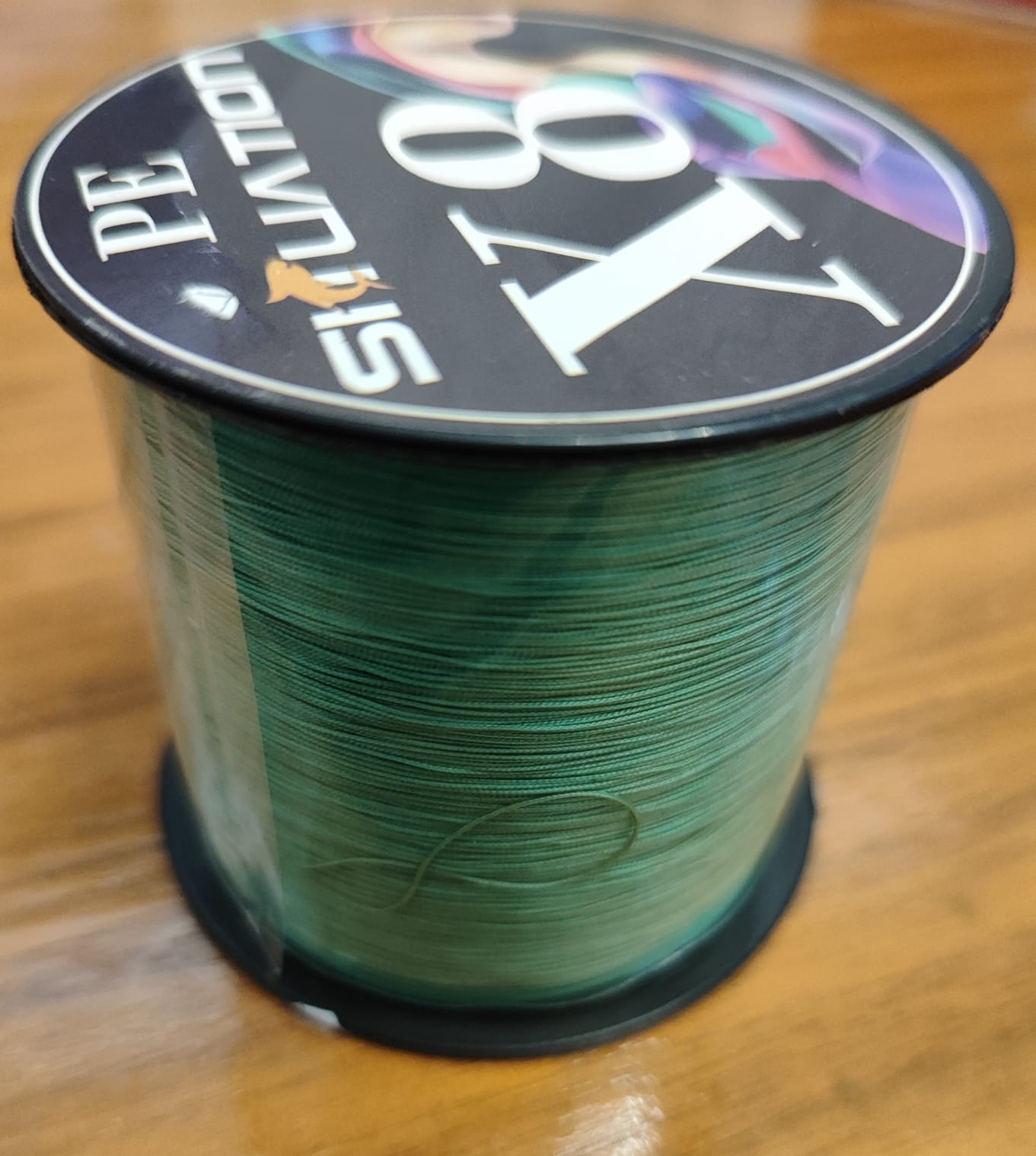
Techniques for fishing: The most popular technique is the “squid jig” – lures shaped like a small prawn/shrimp which you cast and retrieve. Use rods of length 2.4–3 m with action up to 30 g, paired with thinner nylon or PE line (0.20–0.25 mm) and a fluorocarbon leader. Cast the lure, allow it to sink to the desired depth, then make a sharp “jig” pull and let it sink again. Squid are fast and react to an erratic “pull–pause” movement. The best colours in daylight are natural shades (grey, blue), while at night fluorescent hues (orange, pink) work well.
Tip: In night fishing use a lamp (floodlight) which attracts plankton and small fish — and thus squid.
👉 Learn more about choosing and using jigs in our full guide: Lures for Fishing in the Adriatic – Angler’s Guide.
Cuttlefish – The Hidden Predator of the Shallows
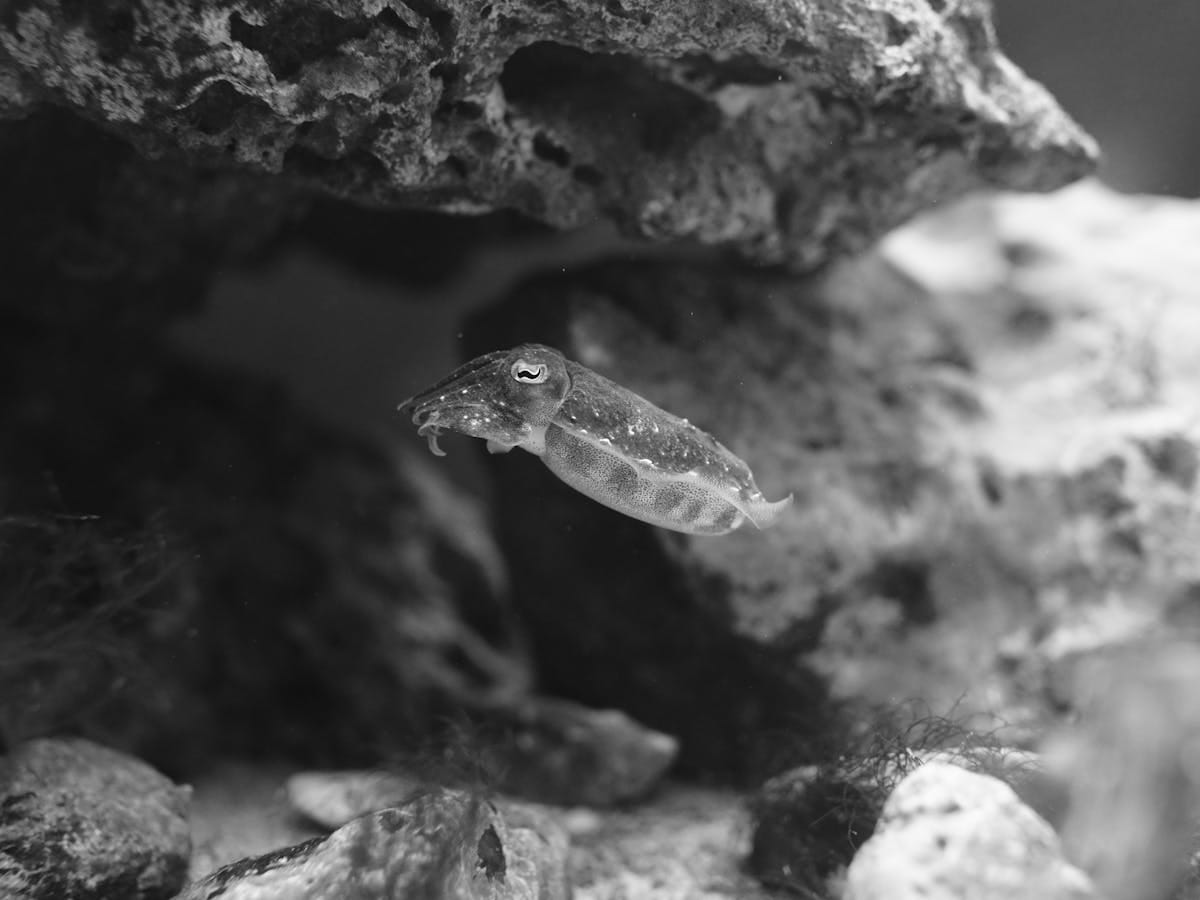
Among the Main Cephalopods of the Adriatic Sea, the cuttlefish holds a special place. It has a short, oval body with wide fins running the whole length, eight arms and two long hunting tentacles. Most recognisable is the cuttlebone – a hard internal plate that helps it control buoyancy. Cuttlefish are true masters of camouflage – they change color in a flash and can vanish before your eyes while resting on a sandy bottom.
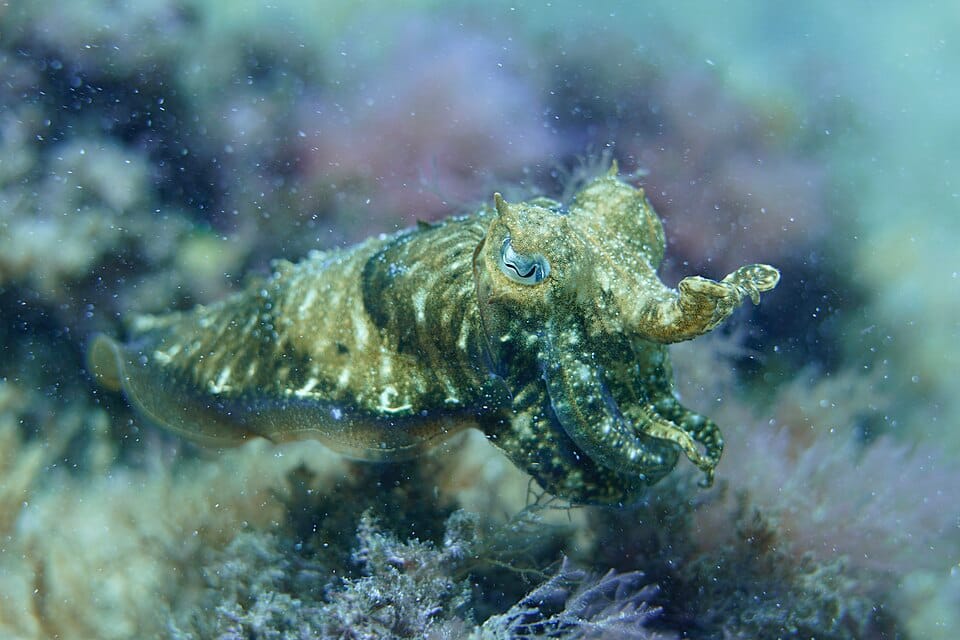
Habitat & season: They stay on sandy and muddy terrain, often in bays and shallow zones. In the Adriatic, cuttlefish are most commonly caught in early spring, when they move from deeper water (100–150 m in winter) to shallower zones (2–10 m) in order to lay eggs on underwater plants. During summer they move to deeper waters or cooler zones; thus early spring is the prime season for cuttlefish.
Techniques for fishing: Fishing for cuttlefish is usually done with a vertical system from a boat using lures and sinker. Use stronger rods up to 2.4 m, nylon 0.30–0.35 mm and a few lures stacked above the sinker. Lower the system to the bottom, then lift and drop the lure with short jerks. Cuttlefish ambush and catch the lure with their hunting arms.
Tip: Cuttlefish respond best to natural colours and lures that move closer to the bottom. If fishing from shore, choose places where the bottom slopes gently and is mixed sand/rock, and after rain or weather change be patient – cuttlefish often begin feeding only when the sea calms.
👉 We also wrote about dentex fishing – check out our detailed guide: Dentex Fishing – Season and Effective Techniques.
Octopus – The Ruler of Underwater Rocks
The octopus differs from other creatures of the Cephalopods of the Adriatic Sea by its soft, sack‐like body without any internal bones and by eight strong arms. It is highly intelligent and, when threatened, releases a cloud of ink. It lives on the seabed, in caves and rock crevices.
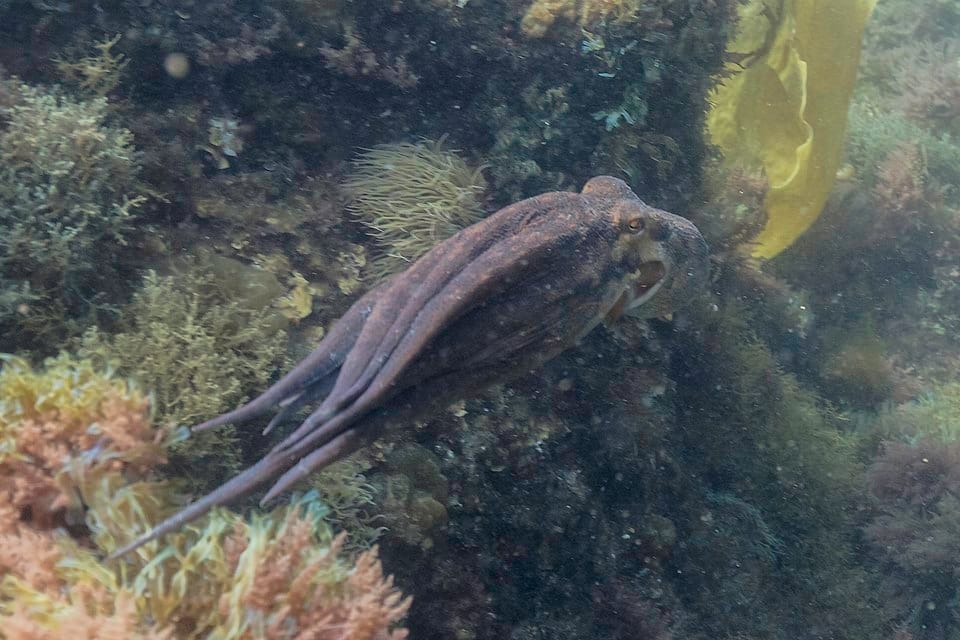
Habitat & season: In the Adriatic you can fish for octopus almost all year, but it is most accessible from May to November when the sea is warmer, and squid and cuttlefish are farther from the coast. It frequents shallow, rocky terrain and seagrass meadows where it finds hiding places and plenty of prey (crabs, shellfish, fish). In colder periods it withdraws into deeper holes.
Techniques for fishing: Octopus attack anything that moves, so they are easier to catch than squid or cuttlefish. There are different methods:
- On natural bait – traditionally a piece of fish (usually sardine) attached to the line, which you slowly drag across the bottom. The octopus grabs the bait and envelops it with its arms.
- Egi lures – large, floating or slow‐sinking jigs (size 3.0 or larger) meant originally for squid, but adapted for octopus. The lure is mounted at the end of the line together with sinker (10–30 g) so it reaches the bottom faster. Typical lure weight is 20–30 g; if it is “tip-run” (fast-sinking) you may use it without extra sinker. Octopus lures have longer and stronger hooks; some special “tako egi” have only one to four large upward facing hooks and weigh 30–50 g. From shore – cast 35–40 m away into depth of 10–25 m, then slowly retrieve with one rod pull every two seconds, scanning the bottom. As soon as you feel weight, it means the octopus has hooked; retrieve it with even pressure no sudden jerks and land it by hand or landing-net when near surface, because in shallow it may release the catch.
Tip: The line should be thick – mono 0.50 mm, or even better, a floating rope about 2 mm in diameter, the same type used for repairing fishing nets. Such rope does not scrape bottom and snags less. The minimum catch weight for octopus is usually 1 kg (70–80 cm), so return all smaller individuals back to the sea. After an octopus escapes it often returns to the same bait, so re-visit that area.
👉 For a more successful catch, try using different natural baits – learn more in our article Natural Baits for Sea Fishing – Tips and Techniques.
General Rules and Permit for the Main Cephalopods of the Adriatic Sea
The Cephalopods of the Adriatic Sea are caught within sport and recreational fishing. You must hold a valid sea-fishing license and follow the regulations regarding minimum sizes and quotas. Always respect restrictions: do not use more gear than allowed, do not fish in protected zones, and do not use overly strong lights that scare the underwater world away.
The World of the Cephalopods of the Adriatic Sea Awaits
The Cephalopods of the Adriatic Sea offer a rich array of fishing challenges. Squid dominate in autumn and winter; cuttlefish are the spring star; while octopus is the true ruler of the rocky bottom during the warm months. Each species demands a different approach: fine lures and sensitive rods for squid, strong bottom systems for cuttlefish, and robust gear plus patience for octopus. Learn to recognise their habits, adapt your equipment and enjoy the perfect blend of adrenaline and gastronomy that cephalopods deliver. All that while always caring for nature: take only what you need, respect minimum sizes and return the young specimens back to the sea.
If you enjoy educational content and true stories from the Adriatic, subscribe to our newsletter — fresh tips and local reports straight to your inbox.
🎣 Send us your fishing stories, photos and videos!
👉 The best submissions will be featured on our blog or socials with your name or nickname.
📩 Email: newsletter@kotorfisherman.com